In this article
The short version
- The tanalisation process forces a preservative solution into the timber cells for longer-lasting protection against decay.
- The timber is dried first, then an initial vacuum, flooding and hydraulic pressure force the solution into the wood.
- A final vacuum removes any excess preservative solution, and the last step is venting to normal atmospheric pressure.
- Tanalising protects against rot, not wetting: cladding still needs a waterproofing paint, and cut ends need treating.
- On our buildings, apply a waterproofing paint to timber cladding soon after installation, then keep it up yearly.
The timber tanalisation process involves forcing a preservative solution into the timber cells via a high vacuum pressure, ensuring longer-lasting protection against fungal decay and termite attack.

Step 1: Before the timber begins the tanalisation process, it’s important that it has been kiln dried or undergone natural drying methods. Packers are also used at this stage to allow a free-flow of preservative around the timber. Then the timber is put into the cylinder where an initial vacuum is applied to evacuate air from the cells of the timber.
Step 2: Treatment solution floods the cylinder under vacuum. The treatment solution consists of water and preservatives that help protect from fungal decay and termite attack.
Step 3: Once the cylinder is full, the next step is to pressurise the cylinder with hydraulic pressure. The increased pressure forces the treatment solution into the wood.
Step 4: The remaining treatment solution is transferred back into a storage tank, along with a final vacuum extraction to remove any excess preservative solution.
Step 5: The final step involves being vented to normal atmospheric pressure. The low pressure helps draw the preservative solution into the wood.
What tanalising protects against
Tanalising protects timber against two of the main threats outdoors: decay fungi, which cause rot, and wood-boring insects. Modern copper-based preservatives bond with the wood, so they are not simply washed out by rain.
It does not change how timber behaves in the weather:
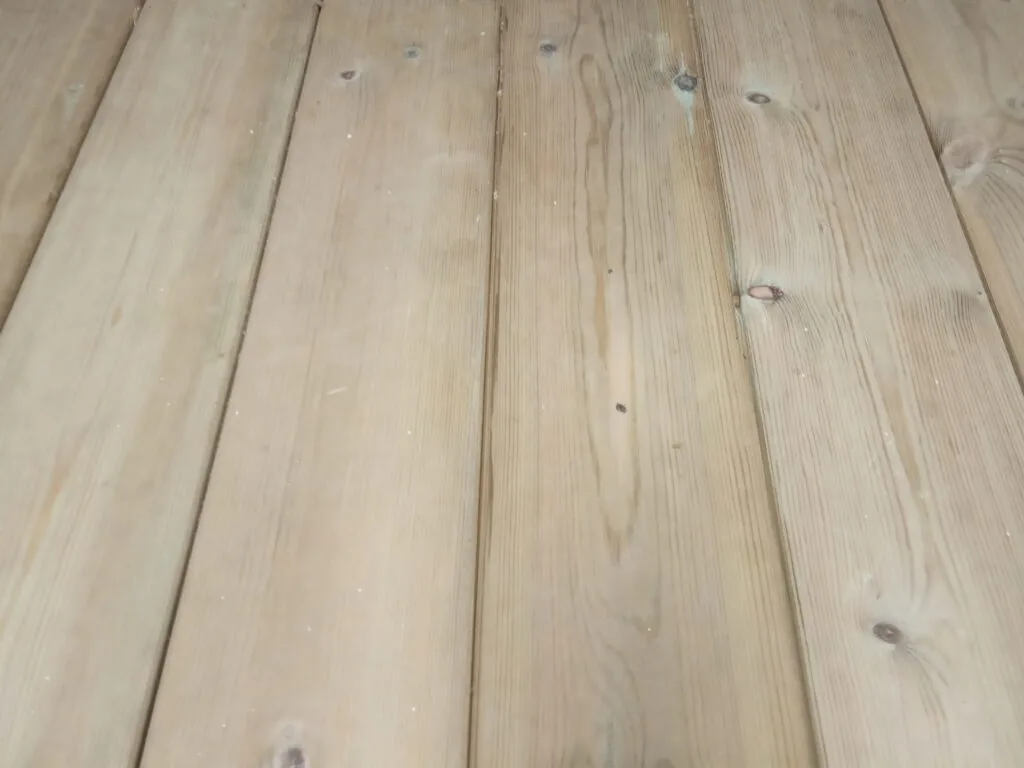
- Colour: fresh tanalised timber is green, or brown if a colourant is added, and weathers to honey brown and then silver grey.
- Movement: timber still swells and shrinks with moisture, so small surface splits can appear.
- Water: the treatment protects against rot, not wetting. Gutters, drainage, airflow and, on cladding, a waterproofing paint still matter.
- Cut ends: wood exposed by cutting or drilling after treatment needs an end-grain preservative.
Treatment is matched to the job through use classes: Use Class 3 for timber outdoors above the ground, such as cladding and fence boards, and Use Class 4 for timber in ground contact or giving exterior structural support, such as posts and decking joists. Our guide to dipped versus tanalised timber explains how to check what you are buying.
Caring for tanalised timber
- Treat fresh cuts. Brush an end-grain preservative onto any cut, notch or drill hole made after treatment.
- Keep cut ends out of the ground. Even with end-grain treatment, a cut end should not go into soil.
- Wear gloves and a dust mask when cutting or sanding treated timber, and wash your hands before eating or drinking.
- Never burn offcuts. The government's rules on burning waste wood outdoors cover only clean, untreated wood, and treated wood should not go in a stove either. Take offcuts to your local recycling centre.
- Let it breathe. Keep soil, leaves and stored materials away from treated timber so it can dry out after rain.
- Paint cladding and keep it up. Apply a suitable exterior waterproofing paint soon after installation, then recoat yearly or as the paint maker recommends.
Tanalised timber on a Noah building
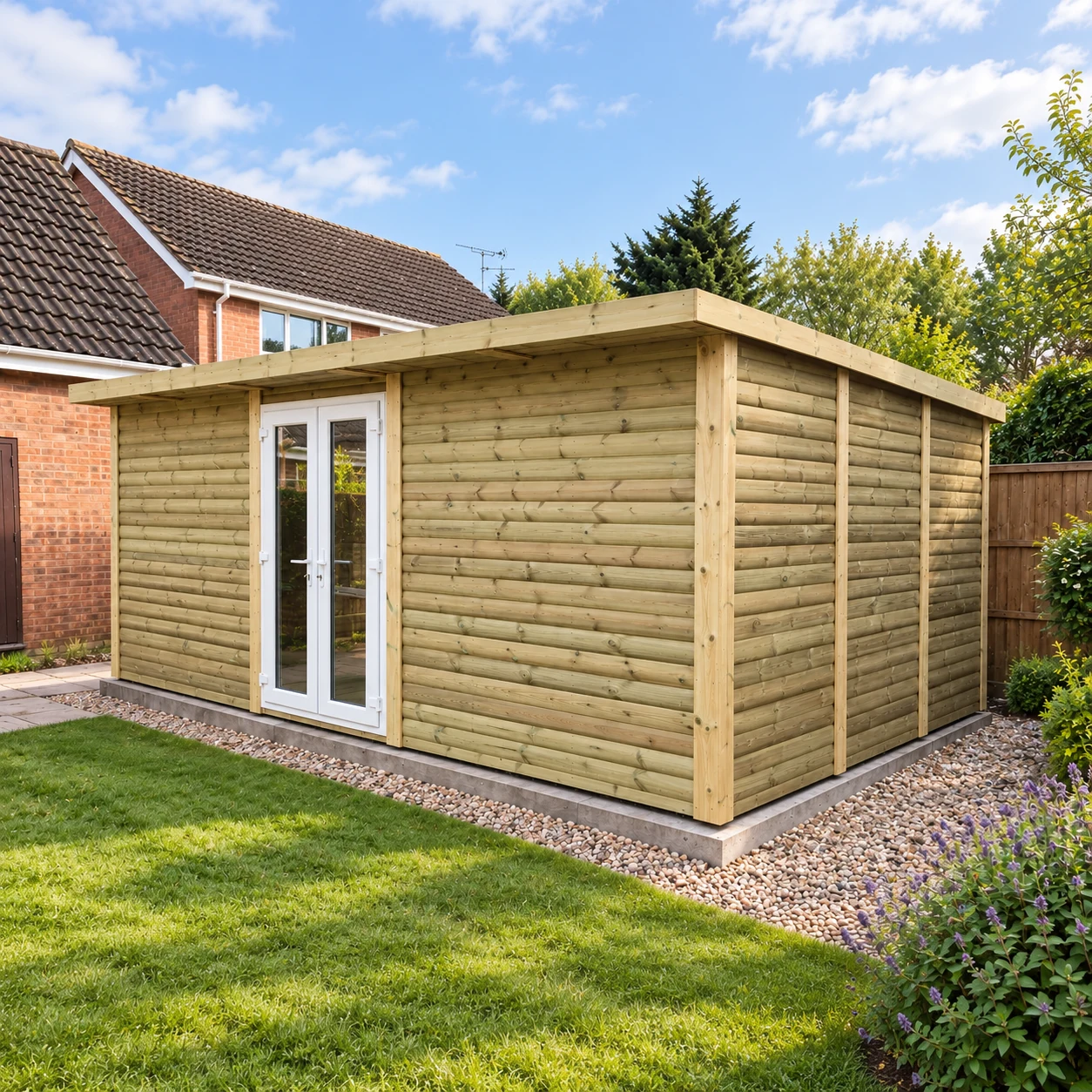
The timber cladding we use is pressure-treated softwood. The configurator starts Garden Buildings and Garden Pods in it, and you can choose it on every other range, including Garden Rooms. Our terms recommend applying a suitable exterior waterproofing paint soon after installation, then keeping it up yearly or as the paint maker recommends. Our maintenance and aftercare page covers routine checks.
To weigh timber against the alternatives, our garden room cladding guide compares it with Thermowood, Western Red Cedar and composite. Thermowood is heat-treated rather than impregnated with preservative, and it needs no paint unless you want to change its colour. You can compare finishes in person at our Telford showroom.
For a working building, our timber workshop cladding guide looks at how timber and composite stand up to life as a garden workshop.
Sources: Wood Protection Association: preservative treatments; Wood Protection Association: buyer's guide to preservative treated wood; GOV.UK: burning waste on campfires and bonfires (RPS 50).